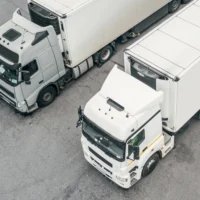


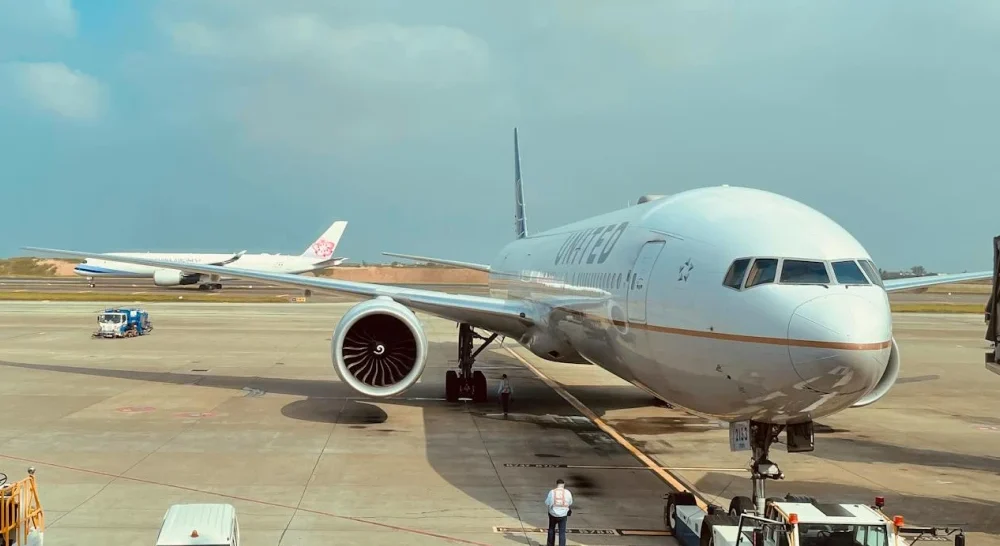
The last mile is the final leg between a local hub and the receiver, and it is where small problems become visible. A wrong address, a closed gate or an absent recipient can turn a smooth journey into a failed delivery.
Most last-mile problems are predictable. They come from incomplete information, unclear instructions or poor timing, and they can be reduced with preparation before the vehicle leaves.
Common causes of failed delivery
Delivery teams commonly report that missed handovers have simple origins:
Fixing these issues early costs less than re-attempting a delivery. A confirmed address and a named contact on the receiving end are the best starting point.
“Smart routing isn’t just about speed — it’s about delivering smarter, reducing waste, and creating reliable delivery experiences at scale.” — Logistics Operations Specialist
A practical approach to the final leg
Before cargo is released for delivery, check the following:
Information to Confirm
Steps for the Driver
Last-mile work also depends on what happens before the cargo is on the truck. Good labelling, correct documents and a realistic delivery date set the conditions for success.
Why communication matters most
Receivers who know a delivery is coming can prepare space, staff and equipment, and are far more likely to be there when the vehicle arrives.
Clear escalation paths help too. When a delivery cannot be completed, the shipper, forwarder and receiver should agree quickly on a new time rather than leaving the cargo waiting.
For shipments that end with a final delivery in the USA, Africa or China, talk to Zendrix Express about the destination arrangements before the cargo sails or flies.