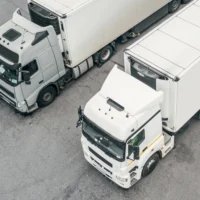


Delivering inside a city and delivering across a region are two different jobs. Cities mean short distances, many stops and tight access; regions mean longer distances, fewer stops and more reliance on fuel, driver hours and road conditions.
Treating both with the same plan usually leads to wasted time. A sensible network chooses vehicles, schedules and handover points to suit the kind of delivery being made.
How the two strategies differ
Planners usually compare urban and regional work on a few simple points:
Mixed networks are common. A regional truck might carry freight to a depot on the edge of a city, where smaller vehicles take over for the final stretch.
“Smart routing isn’t just about speed — it’s about delivering smarter, reducing waste, and creating reliable delivery experiences at scale.” — Logistics Operations Specialist
Choosing the right model for your freight
The best fit depends on what you ship and where your customers are. Consider these factors:
Urban Delivery Considerations
Regional Delivery Considerations
Cargo that moves long distances before the final drop benefits from a clear handover plan. Each transfer point needs a named contact, a time and a document trail.
Matching handover points to distance

Cross-docking at a regional hub can reduce handling, because freight moves from the arriving truck to the departing vehicle without long storage.
Where freight is heavy or oversized, plan the final access early. Confirm the receiver can unload, and whether special equipment is needed on site.
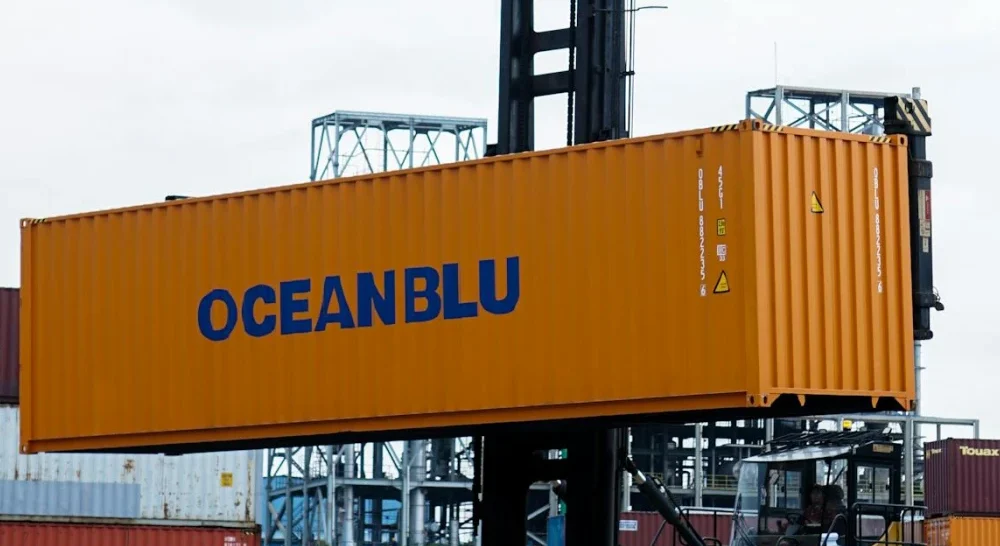
If your cargo moves between ports and inland destinations, our team can help you compare road, rail and combined options for each leg.