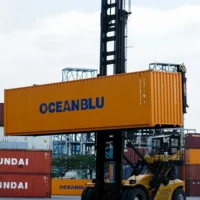



Warehouses and freight offices run on information as much as on forklifts. Knowing what is on the shelf, which shipment it belongs to and where it is now saves time at every step of the operation.
Technology supports this by capturing data once and sharing it with everyone who needs it, instead of retyping details into separate spreadsheets and emails.
Tools that support daily operations
Fulfillment teams commonly rely on a small set of systems:
These tools only help when the data going in is accurate. Clean product records, clear location naming and regular stock checks matter more than the software itself.
“Smart routing isn’t just about speed — it’s about delivering smarter, reducing waste, and creating reliable delivery experiences at scale.” — Logistics Operations Specialist
Where technology helps and where it does not
Before investing in a new system, look at where time is lost today:
Areas Where Software Helps
Areas That Still Need People
A system should fit the process, not the other way around. Map the steps first, then decide which ones to automate.
Starting with tracking
For many shippers, the first useful step is visibility. When each shipment has a reference number and milestone updates, customers and staff spend less time chasing information.
Zendrix Express customers can follow shipments through the tracking page and the client portal, and ask the team when a status needs explaining.
If you want to talk about documents, tracking or the information flow around your freight, contact the Zendrix Express team.